A RESEARCH STORY · 2 MIN READ
Forest ecosystem services: what forests provide
A basket of mushrooms, water soaking into the soil and a walk in the shade reveal different forest benefits. This introduction to ecosystem services connects everyday experience with research on Czech households and public perceptions.
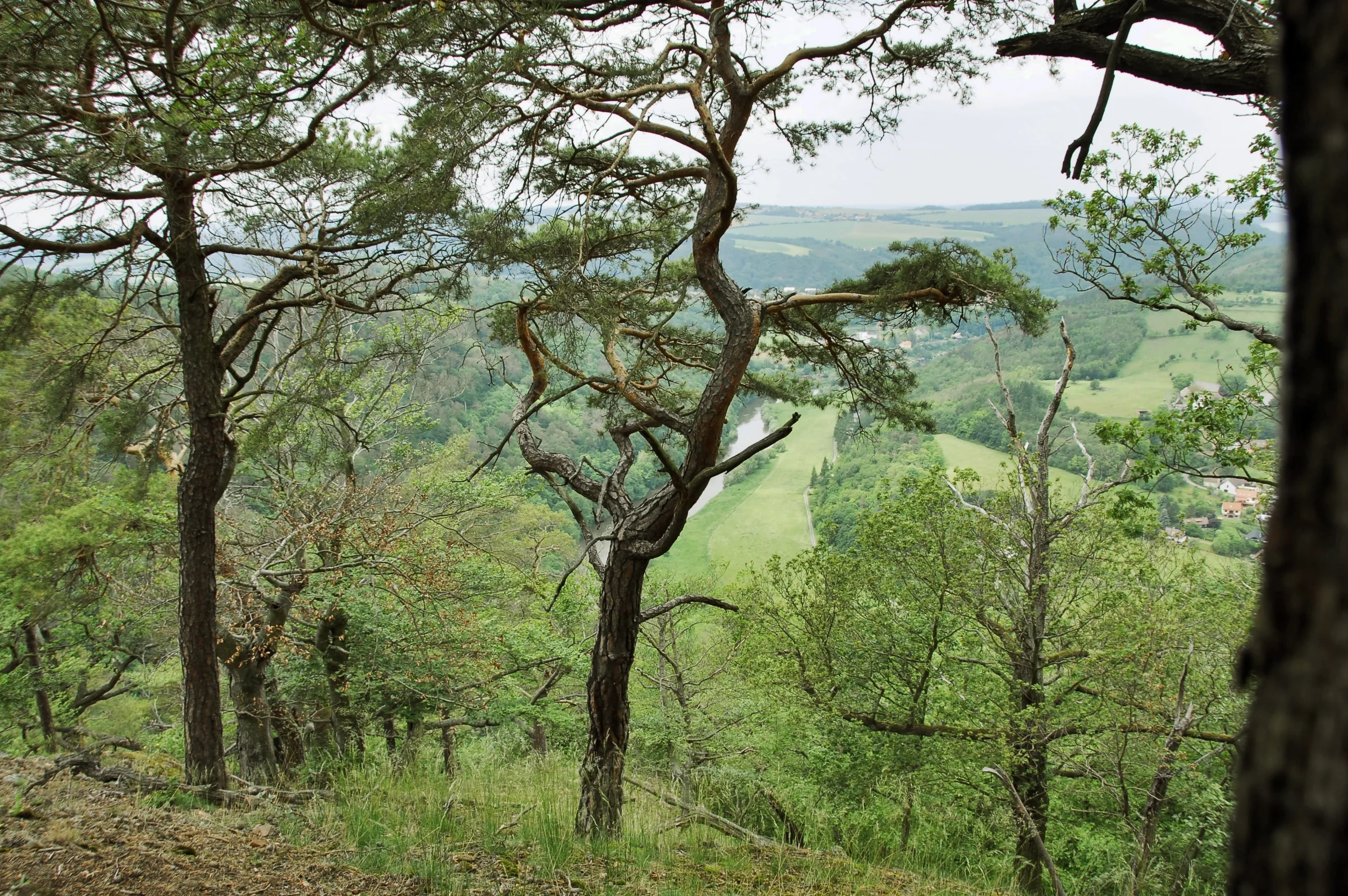
Along a woodland path, one visitor pauses to pick a handful of bilberries while another continues to a viewpoint. Beneath their feet, fallen leaves decompose and water soaks into the soil. The same place provides several benefits known as forest ecosystem services: the contributions that functioning forest ecosystems make to people's lives.
Types of forest ecosystem services
- Provisioning services supply products, including timber, mushrooms, berries, herbs and game meat.
- Regulating services include carbon storage in trees and soils, local cooling, water filtration and protection against soil erosion.
- Cultural services create opportunities for recreation, learning, inspiration and connections with places.
- Supporting processes, such as soil formation and nutrient cycling, underpin the other benefits. The diversity of forest life also contributes to this foundation.
This introductory classification follows the European Environment Agency. Mushroom picking brings provisioning and recreation together in a single visit. Each aspect can be studied through a suitable measure: the amount collected, the frequency of visits or the features people value.
How Czech research describes these benefits
Riedl, Němec and their coauthors examine household mushroom and berry collection as part of food provisioning. Research by Purwestri and colleagues, including Riedl and Němec, explores wild herb collection and use and its connections with cultural practices. Forest products can therefore be studied alongside the ways households obtain and use them.
Living habitats matter to people
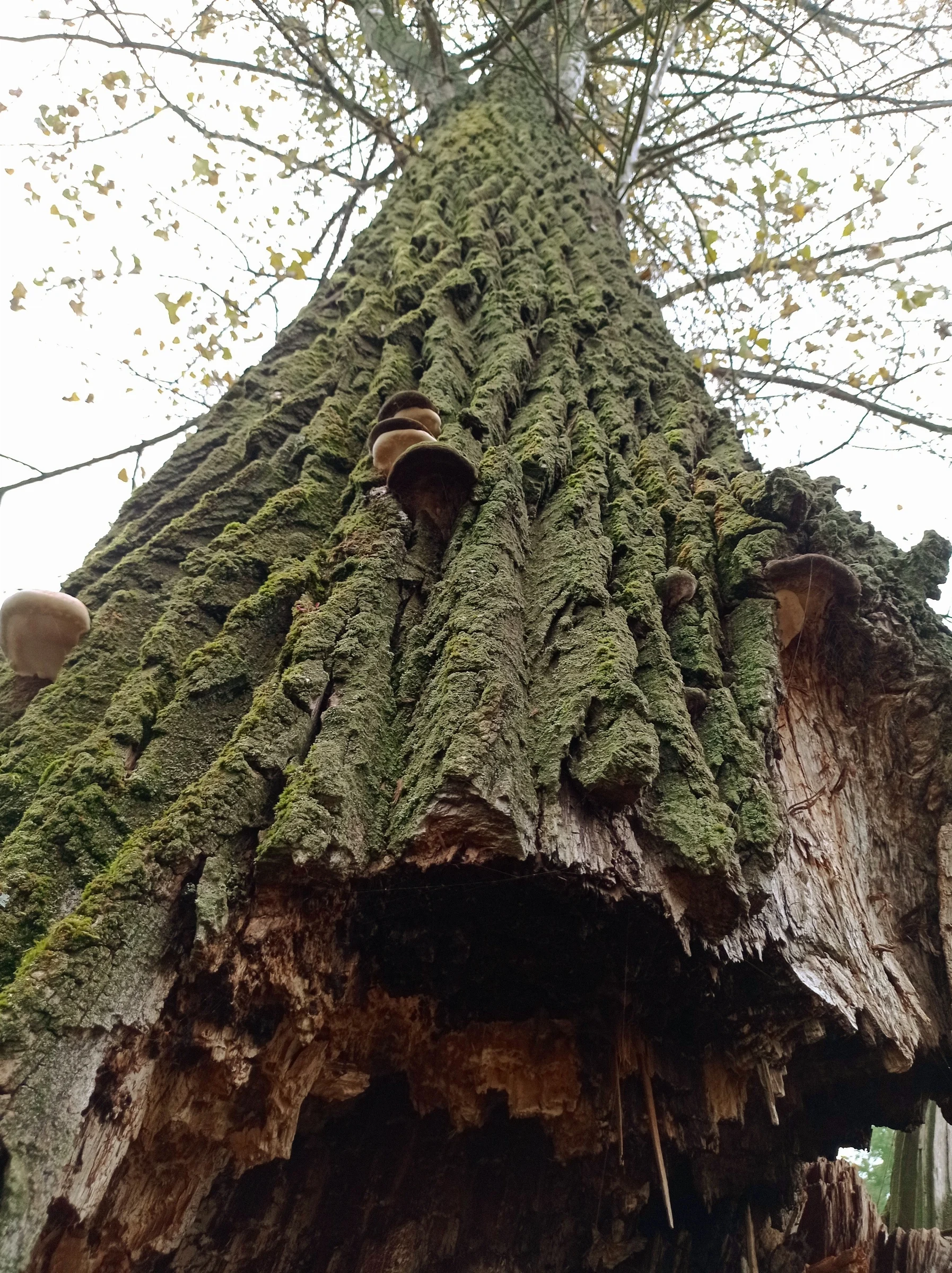
In a Czech online survey conducted in November 2020, 72.6% of 1,509 respondents rated forests as natural habitats for animals and plants as “very important”. The study by Purwestri and colleagues, coauthored by Riedl, was published in 2023 and used a five-point importance scale. This finding describes how respondents perceived that benefit.
Read together, these studies help us understand forests as sources of products, settings for human activities and habitats for other organisms. They also give forest stewardship concrete questions to address: which benefits to support, who receives them and how to monitor their condition over time.
Sources for this story
Forests
Supply, Trade and Consumption of Major Forest Foods in Czechia: Mushrooms, Forest Fruits and Game Meat
Riedl, M., Němec, M., Jarský, V., & Sloup, R. (2026). Supply, Trade and Consumption of Major Forest Foods in Czechia: Mushrooms, Forest Fruits and Game Meat. Forests, 17(7), 802. https://doi.org/10.3390/f17070802
DOI 10.3390/f17070802Sustainable Development
Wild Herb Foraging and Sustainable Development: Links Between Ecosystem Services, Cultural Practices, and Well-Being in Czech Forest Landscapes
Purwestri, R. C., Riedl, M., Němec, M., Jarský, V., Hájek, M., & Dudík, R. (2026). Wild Herb Foraging and Sustainable Development: Links Between Ecosystem Services, Cultural Practices, and Well-Being in Czech Forest Landscapes. Sustainable Development. https://doi.org/10.1002/sd.71022
DOI 10.1002/sd.71022Environmental Sciences Europe
Public perception of the performance of Czech forest ecosystem services
Purwestri, R. C., Palátová, P., Hájek, M., Dudík, R., Jarský, V., & Riedl, M. (2023). Public perception of the performance of Czech forest ecosystem services. Environmental Sciences Europe, 35, 89. https://doi.org/10.1186/s12302-023-00802-8
DOI 10.1186/s12302-023-00802-8