A RESEARCH STORY · 2 MIN READ
More respondents use forest herbs medicinally than in cooking
Medicinal forest-herb use was reported by 36.4% of respondents, compared with 25.1% for culinary use. Separating the two purposes also reveals different associations with age and gender.
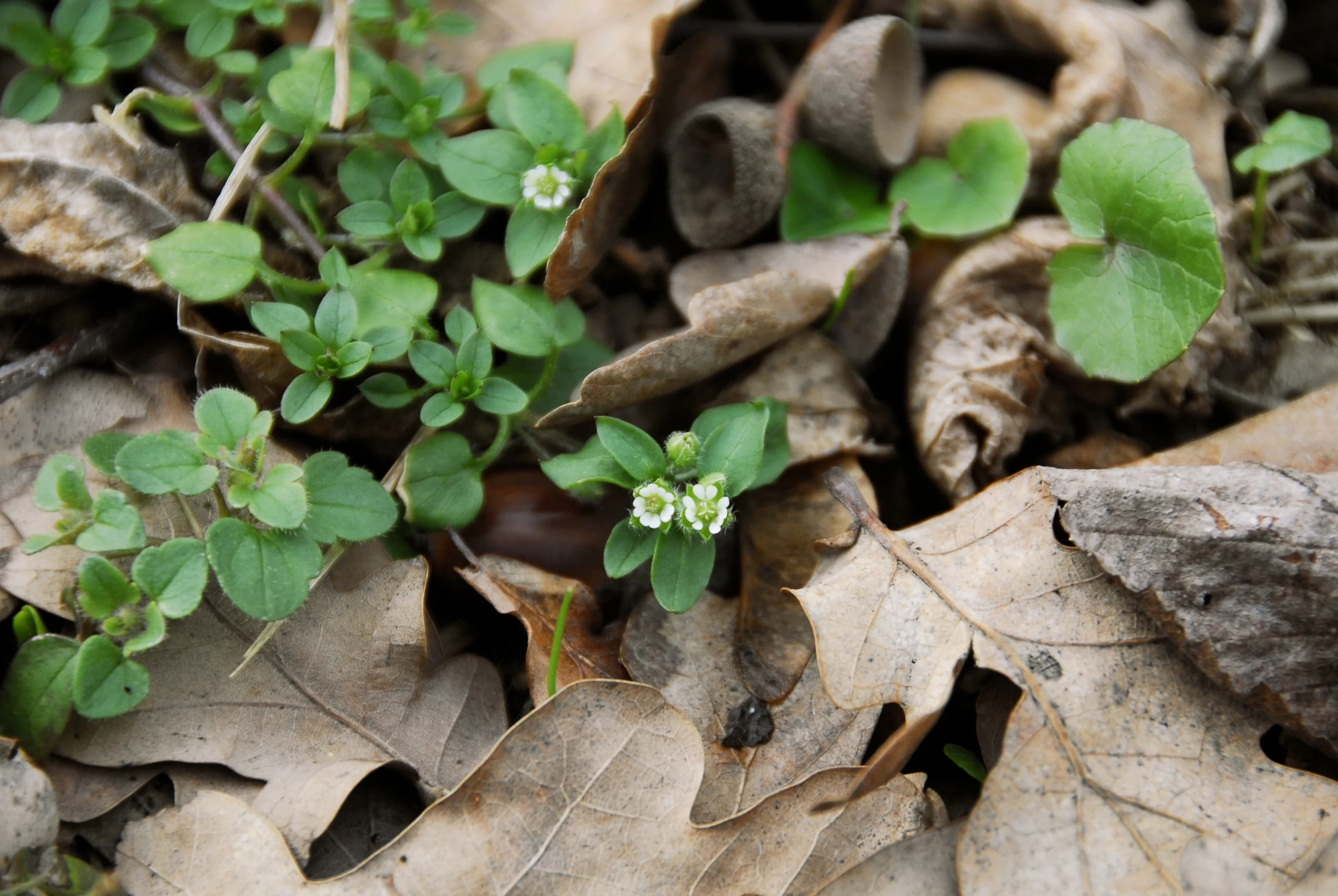
Medicinal herbs or other plant-based products from Czech forests were used by 36.4% of respondents, while 25.1% reported using forest herbs in food preparation. Within the same sample of 1,000 adults, the difference was 11.3 percentage points. The broad term “herbs” covers distinct uses with different social patterns.
Martin Němec, Marcel Riedl and Vilém Jarský published the comparison in Frontiers in Sustainable Food Systems in 2026. Their analysis used an online survey conducted in November and December 2023. The 1,000 respondents, aged 18 and over, were selected using quotas for gender, age, education, settlement size and region. The percentages describe this survey sample.
The purpose of use matters
The culinary questions covered forest herbs used in salads, as spices or as seasonings. Examples included wild garlic, young spruce shoots and wild mint. Respondents reported how often they ate them during the season when they were available. Anyone selecting an answer other than “never” counted as a user.
For medicinal herbs, respondents first answered whether they used such products originating in Czech forests. Only users then answered a frequency question. The authors therefore focus their comparison on whether respondents used each category at all. Frequency requires a more cautious comparison because the questions were structured differently. Both percentages measure reported use; they do not establish that every user gathered the plants personally.
| Purpose | Respondents | Share of sample |
|---|---|---|
| Medicinal herbs and related plant-based products | 364 | 36.4% |
| Herbs for culinary use | 251 | 25.1% |
Age and gender show different patterns
Women reported medicinal use more often than men even in a model that also accounted for age, education, residence and frequency of forest visits. For culinary use, the difference between women and men was not statistically significant. The female association therefore applies to a particular way of using plants.
The age results also differ. Culinary herb use was associated with younger age in the adjusted model. For medicinal herbs, an independent age association was not statistically established. The age profile therefore differs according to the purpose of use.
More frequent forest visits were associated with both uses. The relationship may run in either direction: an interest in plants may encourage visits, while visits may provide opportunities to become familiar with plants. A survey conducted at one point in time cannot distinguish between these explanations.
What a dedicated herb study adds
A separate study by Ratna Chrismiari Purwestri and colleagues in Sustainable Development identifies elderberry, common nettle and linden among frequently collected plants. In a national sample of 1,000 people, it reports greater participation in gathering among women, more highly educated respondents and frequent forest visitors. It thus adds named plants to the broader picture of herb use.
Interpretation depends on linking plants to the purposes people assign to them. In these surveys, “medicinal” describes a category and reported use; the label itself does not establish a therapeutic effect. A more precise account of Czech herb gathering distinguishes who obtains plants, who uses them and for what purpose. Differences between these activities provide a basis for further research into knowledge and cultural practices.
Studies: Purwestri et al. (2026); Němec et al. (2026).
Sources for this story
Frontiers in Sustainable Food Systems
Forest access does not equal food access: institutional and household pathways to wild foods in Czechia
Němec, M., Riedl, M., & Jarský, V. (2026). Forest access does not equal food access: institutional and household pathways to wild foods in Czechia. Frontiers in Sustainable Food Systems, 10, 1880811. https://doi.org/10.3389/fsufs.2026.1880811
DOI 10.3389/fsufs.2026.1880811Sustainable Development
Wild Herb Foraging and Sustainable Development: Links Between Ecosystem Services, Cultural Practices, and Well-Being in Czech Forest Landscapes
Purwestri, R. C., Riedl, M., Němec, M., Jarský, V., Hájek, M., & Dudík, R. (2026). Wild Herb Foraging and Sustainable Development: Links Between Ecosystem Services, Cultural Practices, and Well-Being in Czech Forest Landscapes. Sustainable Development. https://doi.org/10.1002/sd.71022
DOI 10.1002/sd.71022