A RESEARCH STORY · 3 MIN READ
Who pays for a walk in an urban forest? Lessons from Hradec Králové
Maintained paths, benches and waste collection all have a cost. A study of the municipal forests of Hradec Králové shows how recreation was funded in 2013–2019 and why the enterprise’s other sources of income matter.
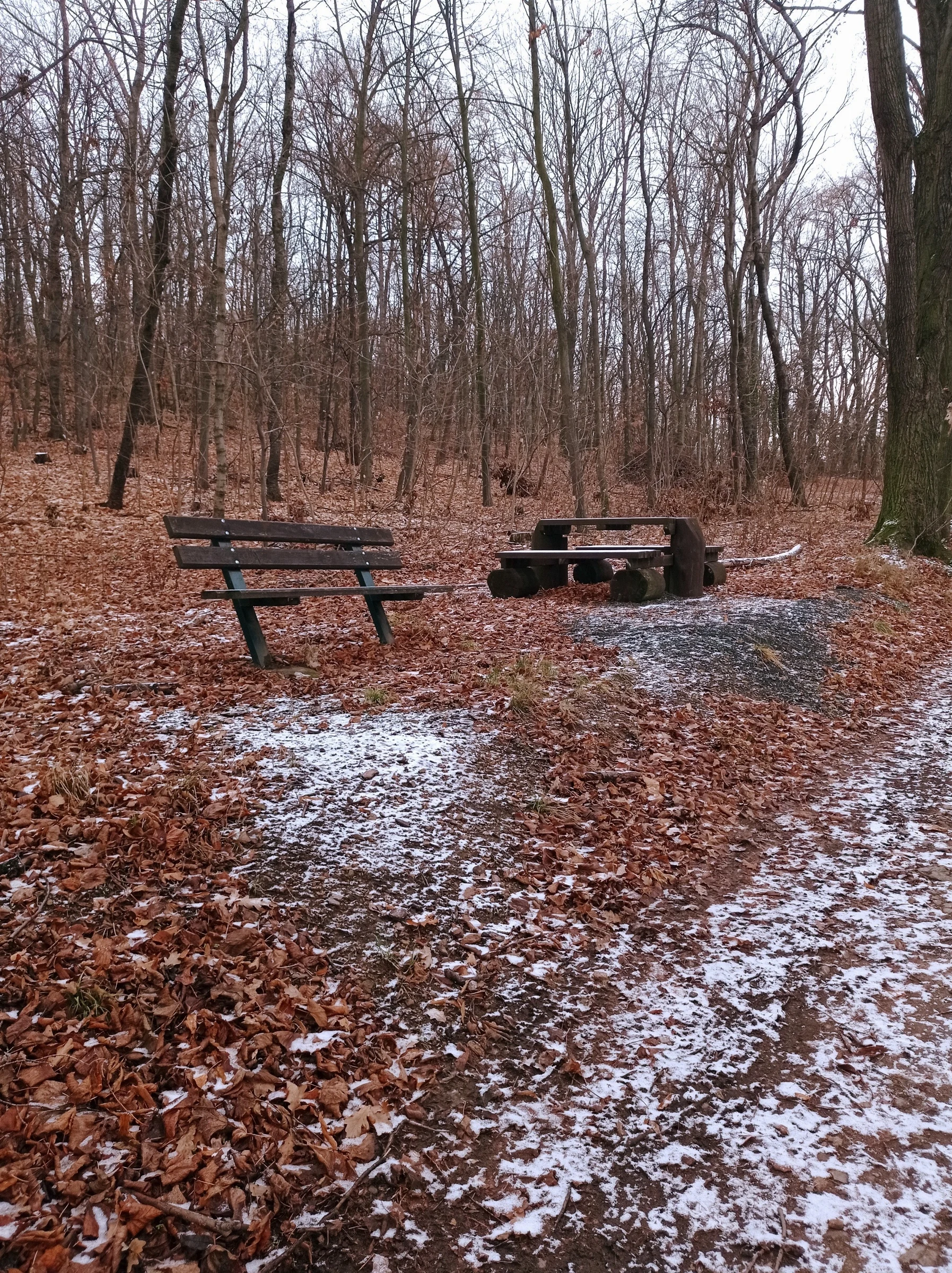
Along a forest path, cyclists pass parents with pushchairs and people out for a run. A comfortable visit depends on a usable surface, clear signs and somewhere to rest. Maintaining these facilities costs money and requires work from the forest manager. Radek Jůza, Vilém Jarský, Marcel Riedl and their colleagues examined how these services were funded in the municipal forests of Hradec Králové, Czechia.
Putting recreation into the accounts
The study in Forests combined enterprise accounting records, observations of forest attendance and questionnaires. In 2013–2019, recreational services cost an average of CZK 4.576 million a year, equivalent to 19.7% of the costs of forestry activities. These are historical amounts for the enterprise and conditions examined in the study.
More than half of the recreational expenditure went towards maintaining forest roads to the additional standard required by visitors. Another large share covered the construction and maintenance of facilities such as benches, shelters and information boards. Waste collection accounted for a smaller share. The enterprise recorded road maintenance for recreation separately from routine maintenance needed for forest management.
Other activities provided most of the funding
The financing breakdown makes the connection between timber production and recreation visible. Timber sales supplied the largest share. Income from the enterprise’s own sand quarry was also important.
| Source | Share |
|---|---|
| Timber sales | 71.5% |
| Sand sales | 17.5% |
| Revenue from recreational services | 3.9% |
| Subsidies and sponsorship contributions | 7.1% |
Recreation revenue included payments associated with leases, organised events and forest education. These are recorded financial receipts. The 3.9% share therefore represents receipts for specific services provided.
High attendance includes repeat visits
The researchers monitored twenty forest entrances once a month from May 2016 to April 2017. After extrapolation and adjustments for entries missed by the counts, they estimated approximately 900,000 visits a year. This annual estimate includes people returning to the forest repeatedly. A separate questionnaire survey in summer 2016 obtained 2,608 completed responses.
This level of use helps explain the importance of maintaining paths and visitor facilities. The study treats recreation as a specific part of managing an urban forest, with both its use and expenditure open to examination.
What other urban forests can learn
During the period studied, the enterprise also paid rent to the city and reported a profit. Its ability to finance recreation depended on its wider income base. Alongside timber, it received income from sand and subsidies supporting forest management. The share described as the enterprise’s own resources therefore needs to be read within this wider financial context.
Other urban forests can use the approach: identify recreational expenditure separately, monitor attendance and make the funding sources clear. Applying the specific percentages elsewhere requires examining local income, visitors’ needs and the owner’s objectives. The Hradec Králové case gives public discussion of forest services a concrete financial foundation.
Sources for this story
Forests
Possibilities for Harmonisation between Recreation Services and Their Production within the Forest Sector—A Case Study of Municipal Forest Enterprise Hradec Králové (CZ)
Jůza, R., Jarský, V., Riedl, M., Zahradník, D., & Šišák, L. (2021). Possibilities for Harmonisation between Recreation Services and Their Production within the Forest Sector—A Case Study of Municipal Forest Enterprise Hradec Králové (CZ). Forests, 12(1), 13. https://doi.org/10.3390/f12010013
DOI 10.3390/f12010013