A RESEARCH STORY · 2 MIN READ
What people want from forests: relaxation, air and water
Relaxation, clean air and water retention led the priorities of Czech respondents. Riedl, Němec and colleagues connect public expectations with practical forest planning.
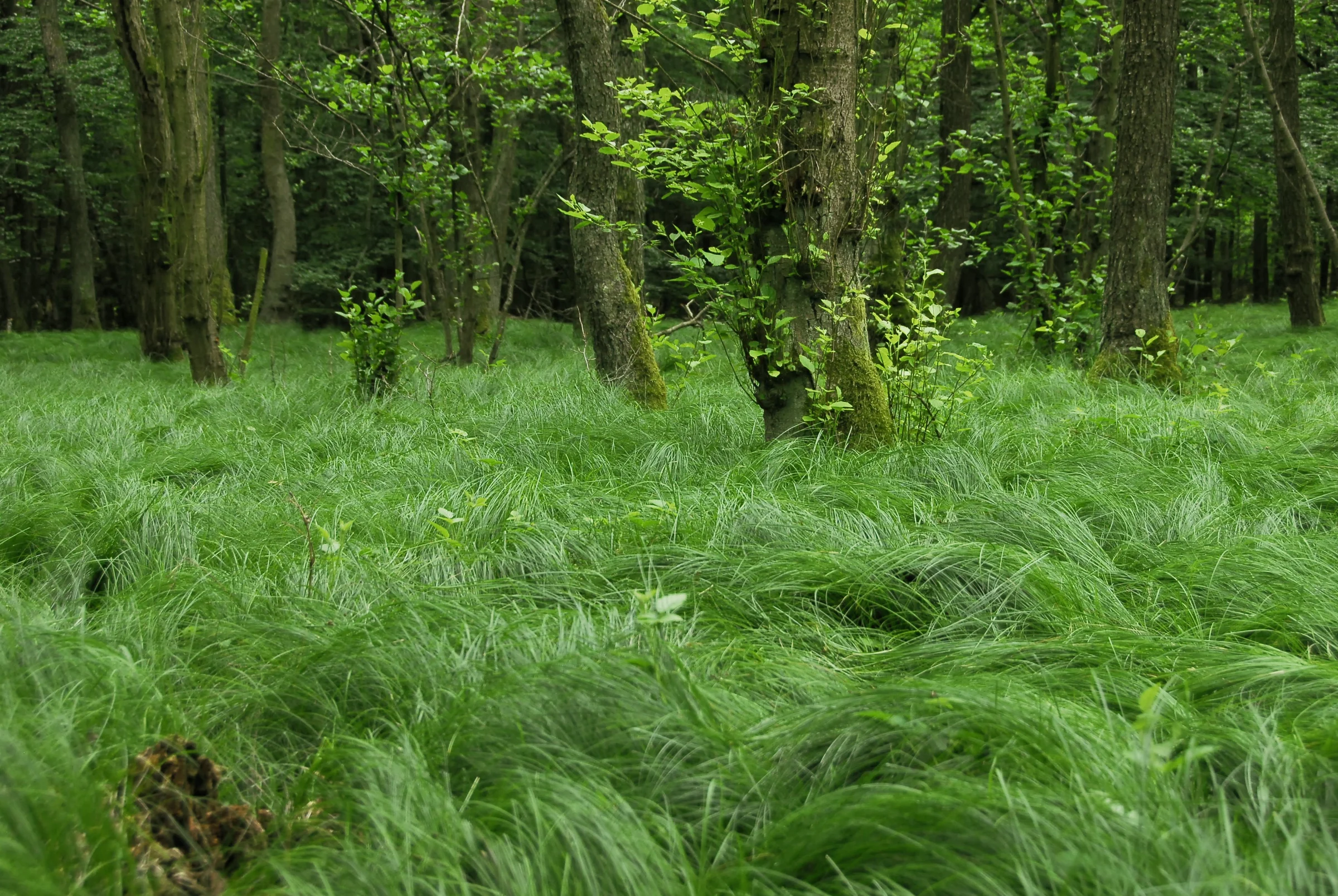
After a working day, a woodland path can offer a place to unwind. One visitor appreciates the shade; another notices water soaking into the ground after rain. These experiences give forest ecosystem services a tangible meaning and raise a practical question: how can forest stewardship support them?
Which forest benefits do people prioritise?
In a study published in October 2026, Marcel Riedl, Martin Němec and their coauthors drew on a Czech survey conducted from 27 November to 3 December 2025. Computer-assisted personal interviews involved 1,000 adults. Quotas covered sex, age, education, region and municipality size.
Respondents could select up to two benefits of forests and forestry that mattered most to them personally. These were the three most frequently selected options:
| Forest benefit | Share of respondents |
|---|---|
| Relaxation and mental well-being | 53.7% |
| Clean air and microclimate | 39.7% |
| Water retention in the landscape | 33.2% |
Connecting expectations with management choices
The study proposes a framework connecting ecological processes, management interventions, visitor experiences and governance. For each decision, it helps identify how benefits interact, which information is needed and what should be monitored. Planning can then consider local ecological conditions alongside the ways people use forests and the distribution of management costs.
The authors distinguish four complementary pathways: biophysical relationships between services, interactions mediated by management, benefits experienced together by visitors, and the influence of institutions and incentives. This approach offers a shared language for forest managers, municipalities and the public.
Supporting public forest benefits
75.3% of respondents supported state financial assistance to forest owners for providing public benefits: 29.9% fully agreed and 45.4% rather agreed. The response expresses support for this policy approach. Detailed rules, costs and funding arrangements form the next stage of developing a scheme.
Our introduction to forest ecosystem services explains the different types of benefits. Together, the two perspectives help define stewardship goals that people can recognise in an accessible woodland path, water retained in the landscape and a thriving forest environment.
Sources for this story
Environmental Sciences Europe
Translating forest ecosystem-service interactions into management action: a pathway-based framework illustrated in Czechia and Slovakia
Riedl, M., Němec, M., Sarvašová, Z., Jarský, V., & Sedliak, M. (2026). Translating forest ecosystem-service interactions into management action: a pathway-based framework illustrated in Czechia and Slovakia. Environmental Sciences Europe. https://doi.org/10.1186/s12302-026-01544-z
DOI 10.1186/s12302-026-01544-z