A RESEARCH STORY · 3 MIN READ
Forest bilberries: how picking relates to weather and forest disturbance
A basket of wild bilberries reflects both the summer and the forest around it. Marcel Riedl and colleagues linked Czech picking totals for 1994–2018 with June rainfall, July temperature and salvage felling.
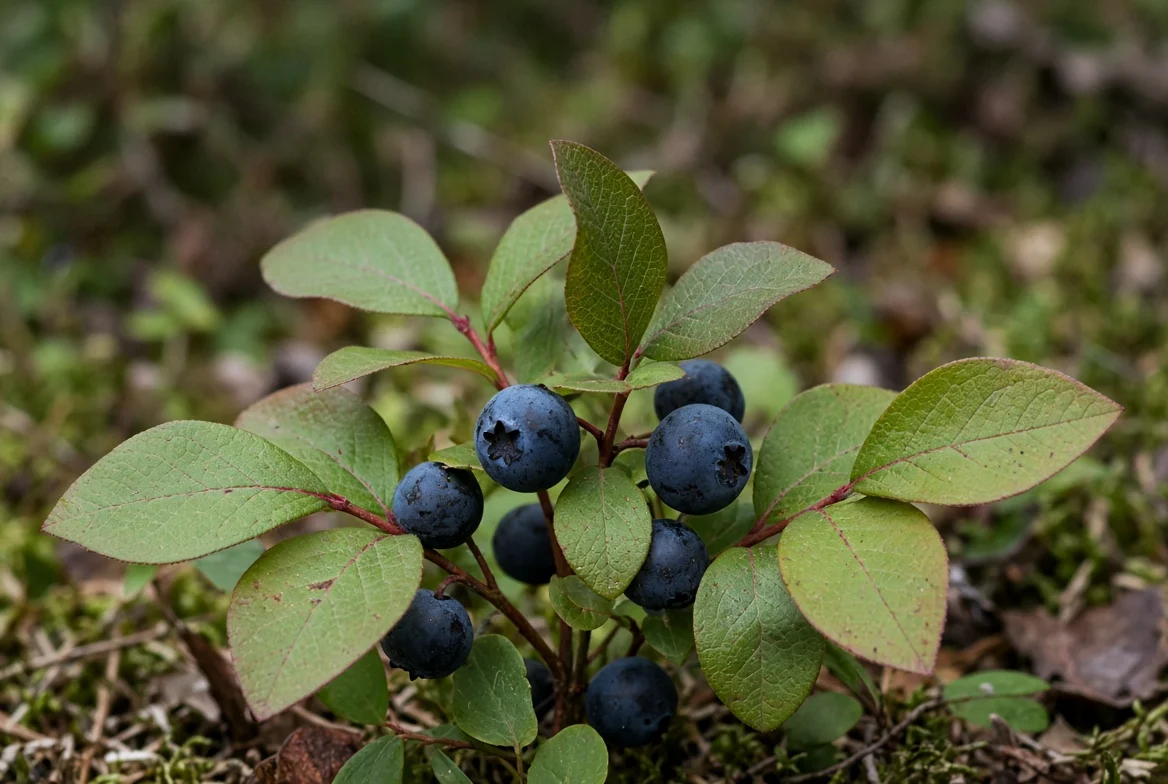
You stop beside a familiar patch of bilberries on a July walk. One summer, the bottom of the container turns blue within minutes; another, finding ripe fruit takes longer. The experience brings together the conditions in which berries grow and people's decisions about when and where to pick. Marcel Riedl and colleagues explored that meeting of forest conditions and human activity through a long Czech time series.
Twenty-five years of berry picking
Their study, published in Forests in 2020, examined bilberries, cowberries, raspberries and blackberries. To investigate weather, the team focused on bilberries and used national estimates of the amount collected between 1994 and 2018. Each annual observation was matched with average rainfall and temperature from April to July, together with the year's volume of salvage felling.
The collection estimates came from household answers to standardised survey questions. For 2008–2018, the researchers also had individual responses from face-to-face interviews, with around a thousand respondents each year. Surveys provide a way of seeing forest food that goes straight into household kitchens: these products are recorded through people's accounts of picking them.
June rain and July warmth
In the highest-ranked model, larger amounts of collected bilberries were associated with higher June rainfall and higher average July temperatures. The best-ranked model also included salvage felling, which had a negative association with the amount collected. Together, its three variables accounted for approximately 40.5% of the year-to-year variation in national bilberry collection.
| Indicator | Association with the amount collected |
|---|---|
| Average June rainfall | Positive |
| Average July temperature | Positive |
| Annual salvage felling | Negative |
These findings describe relationships among twenty-five national annual observations. The total collected combines the availability of fruit with people's willingness and opportunities to visit the forest. Rain can therefore matter differently while berries are developing and while people are out picking. The authors draw attention to this connection between forest conditions and visitor behaviour when interpreting their results.
A place for bilberries in forest planning
Changes to a stand also affect places people associate with summer picking. The study opens a discussion of forest planning that considers timber, wild fruit and recreation together. In a municipal forest, that may include how local families reach a favourite patch and what it will look like as the surrounding woodland regenerates.
The practical question is how to accommodate several benefits within the same forest. Bilberries make that question tangible: some of a forest's value reaches people as a bowl of fresh fruit and time spent outdoors. Long-term collection surveys help turn this familiar experience into evidence for decisions about forest management and the services people use.
Sources for this story
Forests
Analysis of Significant Factors Influencing the Amount of Collected Forest Berries in the Czech Republic
Riedl, M., Jarský, V., Zahradník, D., Palátová, P., Dudík, R., Meňházová, J., & Šišák, L. (2020). Analysis of Significant Factors Influencing the Amount of Collected Forest Berries in the Czech Republic. Forests, 11(10), 1114. https://doi.org/10.3390/f11101114
DOI 10.3390/f11101114