A RESEARCH STORY · 3 MIN READ
Medicinal plants and climate change: what people in Czechia perceive
A survey of 1,500 adults examined how perceptions of medicinal plant availability relate to climate change and excessive chemical use. A separate part described management measures reported by 53 forest owners.
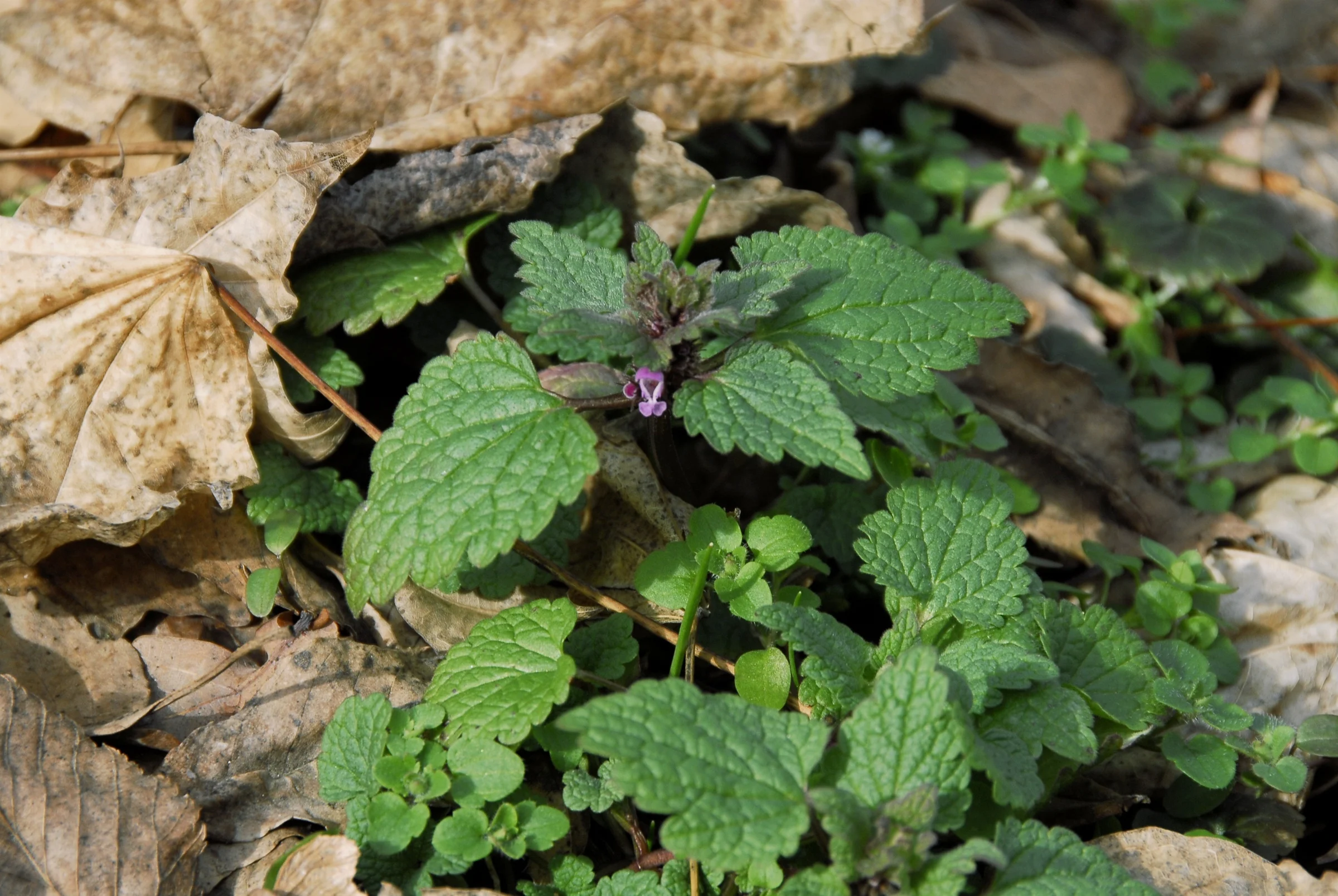
A jar on the kitchen shelf holds the last handful of dried lime flowers. The next supply will begin outdoors again, beside a familiar tree or along a forest edge. Herbs connect people with particular places and return visits through the year. A Czech study published in 2025 adds a question to that experience: how do people perceive changes in the environment that provides medicinal plants?
What people associate with plant availability
The research team, including co-author Marcel Riedl, analysed responses from 1,500 adults across Czechia. Its online survey used quotas for region, age and gender. Participants considered factors affecting the availability of medicinal plants in forests. The options included climate change, drought, floods, fires, pests, logging, excessive harvesting and excessive chemical use.
Two statistically significant associations stood out in the response analysis: climate change as a general concept and excessive chemical use. The authors interpret these as the principal perceived threats to medicinal plant availability. The finding describes the changes that respondents associate with the environment supplying these plants. It gives a more specific picture of public concerns about the future of these forest products.
This provides a useful starting point for conversations about herbs. A familiar flower or leaf can connect the broad subject of climate change with somewhere a person regularly visits. The plant's name, its habitat and the experiences of people who know the landscape all have a place in that conversation.
Plants, places and practical care
Medicinal plants are among the products forests provide beyond timber. Their significance brings together natural materials, cultural knowledge and an interest in the places where they grow. The study approaches this connection through public attitudes. Discussing plant availability also opens questions about the character of forests and surrounding landscapes, how they are used and what people expect from them.
A practical part of the research follows this perspective. It separately examined responses from 53 participants who identified themselves as forest owners, asking about measures they reported using in their management. Forest restoration was mentioned most often.
| Reported measure | Share of 53 forest owners |
|---|---|
| Forest restoration | 30.2% |
| Landscape protection | 22.6% |
| Organic agriculture | 22.6% |
| Pest and invasive species control | 17.0% |
These responses describe the experience of the owners taking part. They also show the range of activities people associate with caring for natural environments, from restoring forest stands to protecting landscapes.
From a familiar place to a shared conversation
The authors recommend giving medicinal plants more attention in public education and advice for forest owners. They also propose involving local residents in biodiversity monitoring. This offers a practical role for the experience of regular visitors: encouraging interest in individual species, their habitats and changes through the seasons.
A familiar walk can be a starting point for readers. Which places along it do you associate with herbs? What do you remember from previous visits, and what would you like to ask a botanist or forest manager? Specific questions like these can open a conversation connecting household traditions, forest foods and care for a living landscape.
Sources for this story
Forest Policy and Economics
Public perceptions of climate and land use drivers of medicinal plant availability in Czech forests: A national survey-based study
Awuni, S., Hájek, M., Riedl, M., Huertas-Bernal, D. C., Purwestri, R. C., Ibrahim, F., Dudik, R., Jumpah, E. T., & Adarkwah, F. (2025). Public perceptions of climate and land use drivers of medicinal plant availability in Czech forests: A national survey-based study. Forest Policy and Economics, 179, 103610. https://doi.org/10.1016/j.forpol.2025.103610
DOI 10.1016/j.forpol.2025.103610